
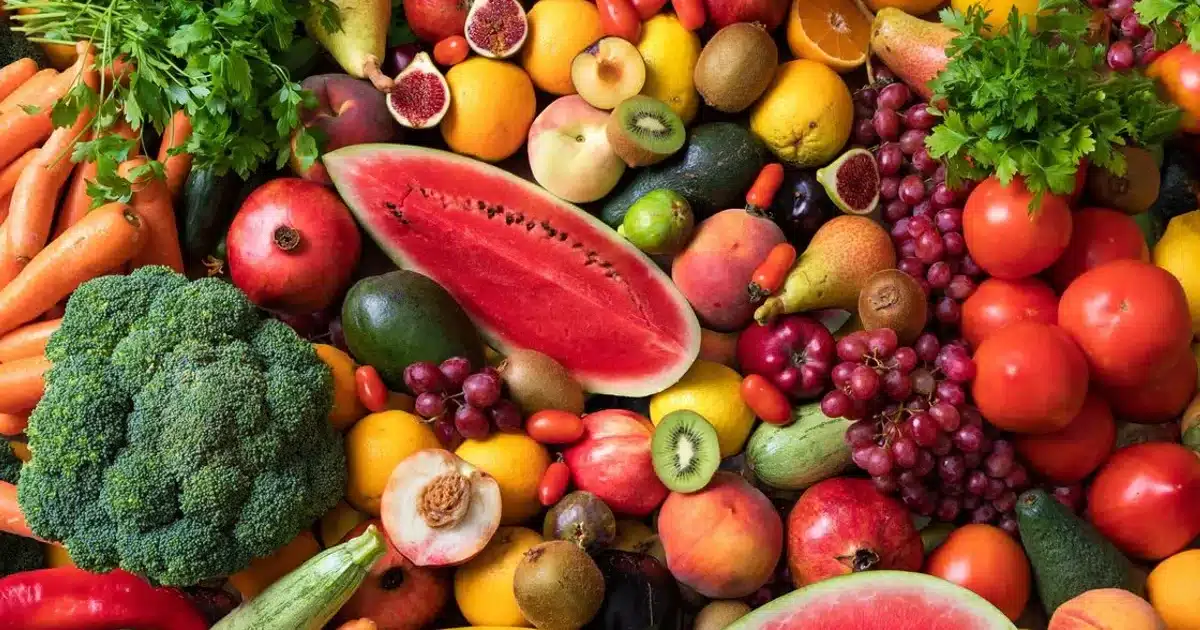
Storing fruits and vegetables incorrectly can silently destroy their flavor, texture, and nutritional value. A surprising number of common produce items — from tomatoes to bananas, mangoes to potatoes — actively suffer in the cold. Knowing which vegetables and fruits should never go in the refrigerator is one of the simplest ways to eat better every day.
The recommendation to eat 5 fruits and vegetables per day is well established. But getting the most out of that daily intake starts long before cooking — it starts with proper storage. And the refrigerator, despite its reputation as a universal preserving tool, is actually the wrong place for a significant portion of the produce you buy.
Fruits that lose everything in the cold
The list is longer than most people expect. Bananas are the obvious example: refrigeration causes them to blacken rapidly and accelerates the ripening process in a way that makes them mushy rather than sweet. Mangoes lose their characteristic taste almost entirely when chilled. Avocados, too, should stay on the counter — the cold interrupts their ripening and leaves them with an uneven, unpleasant texture.
Stone fruits are particularly vulnerable. Peaches, nectarines, and apricots all suffer the same fate in the fridge: the sugary flavor fades, nutrients degrade, and the flesh turns mealy and floury rather than firm and juicy. These fruits need room temperature to complete their ripening cycle properly.
Melons, watermelons, and tropical fruits
Watermelon and melon stored whole in the refrigerator lose both their antioxidant properties and their taste. The correct approach: keep them at room temperature and only refrigerate cut slices shortly before serving if you prefer them cold. The same logic applies to tropical fruits as a category — mangoes, but also the broader family of exotic fruits that originate from warm climates and are simply not designed to tolerate cold storage.
Apples and pears round out the list. Both keep perfectly well at room temperature for several days and actually develop better flavor when allowed to breathe outside the fridge. Citrus fruits — oranges, lemons, grapefruits — belong on the counter or in a fruit bowl, not in a cold drawer.
Red fruits (strawberries, raspberries, blueberries) are the exception among fruits: they do benefit from refrigeration, but should be consumed very quickly after purchase as they deteriorate fast even when chilled.
Vegetables that should stay out of the refrigerator
The damage cold does to vegetables is just as real, and in some cases more dramatic. Tomatoes are the classic victim of misguided refrigeration: the cold breaks down their cell structure, leaving them soft, floury, and tasteless. A tomato stored in the fridge is a tomato that has given up on being a tomato.
Cucumbers go limp and wither when chilled. Aubergines and courgettes both soften due to the combined effect of cold and excess humidity inside the refrigerator. These are warm-weather vegetables that belong at room temperature, full stop.
Alliums, root vegetables, and squash
Potatoes and sweet potatoes develop a granular, unpleasant texture when cooked after being refrigerated — the cold converts their starches in a way that no amount of cooking can fix. They store best in a cool, dark, dry place, like a cellar or a pantry. If you enjoy potato-based dishes like these crispy cheese croquettes, starting with properly stored potatoes makes a real difference in the final texture.
Onions and garlic soften in the fridge and garlic will also start to germinate. Both will contaminate everything around them with their odor — a practical reason beyond the quality argument to keep them in a ventilated basket outside. Pumpkins, squash, butternut, and cucurbit vegetables as a category all lose their flavor when stored cold. These are robust vegetables that keep for weeks at room temperature without any issue.
| Vegetable | Effect of cold storage |
|---|---|
| Tomato | Tasteless, floury, soft |
| Potato / Sweet potato | Granular texture when cooked |
| Cucumber | Goes limp and withers |
| Onion | Softens, strong odor |
| Garlic | Softens, germinates, odor |
| Aubergine / Courgette | Softens due to cold and humidity |
| Squash / Pumpkin | Loss of flavor |
Produce that genuinely belongs in the refrigerator
The picture is not entirely against refrigeration — far from it. A whole category of vegetables actually needs the cold to stay fresh and retain their nutritional profile. Mushrooms keep far better chilled, as do cabbages, leeks, lettuces, and salad greens. Turnips, asparagus, green beans, carrots, and broccoli all belong in the vegetable drawer of the fridge.
The key distinction is this: leafy greens, root vegetables like carrots, and cruciferous vegetables like broccoli are built for cooler climates and benefit from the controlled environment of a refrigerator. A rice bowl loaded with sautéed winter vegetables — carrots, leeks, broccoli — starts with ingredients that were properly kept cold until needed.
The vegetable drawer: a tool worth using properly
Most refrigerators include a dedicated vegetable drawer designed to maintain slightly higher humidity than the rest of the fridge. This is where carrots, broccoli, leeks, asparagus, and green beans should go. The drawer slows dehydration and keeps these vegetables crisp for longer. Mushrooms, however, do better stored in a paper bag inside the fridge rather than a plastic container, which traps moisture and accelerates deterioration.
Never store onions and potatoes together — onions release gases that accelerate potato sprouting. Keep them in separate, ventilated containers away from light and moisture.
The storage habit that changes the quality of everything you cook
Getting produce storage right is not a minor detail. When a tomato goes into the fridge and comes out tasteless, or when peaches turn mealy because they were chilled too early, the dish they end up in suffers. A balanced stir-fry built around courgettes, aubergines, or peppers will only be as good as the ingredients going into the pan — and those ingredients start degrading the moment they hit the wrong storage environment.
The rule of thumb is straightforward: fruits that ripen at room temperature should stay there. Vegetables from warm climates — the cucurbit family, nightshades like tomatoes and aubergines, alliums like onion and garlic — do not need or want refrigeration. Cold-climate vegetables and leafy greens, on the other hand, thrive in the fridge. Applying this distinction consistently transforms the flavor, texture, and nutritional value of everyday meals without any additional effort or expense. The best kitchen upgrade is sometimes just moving the fruit bowl away from the refrigerator door.