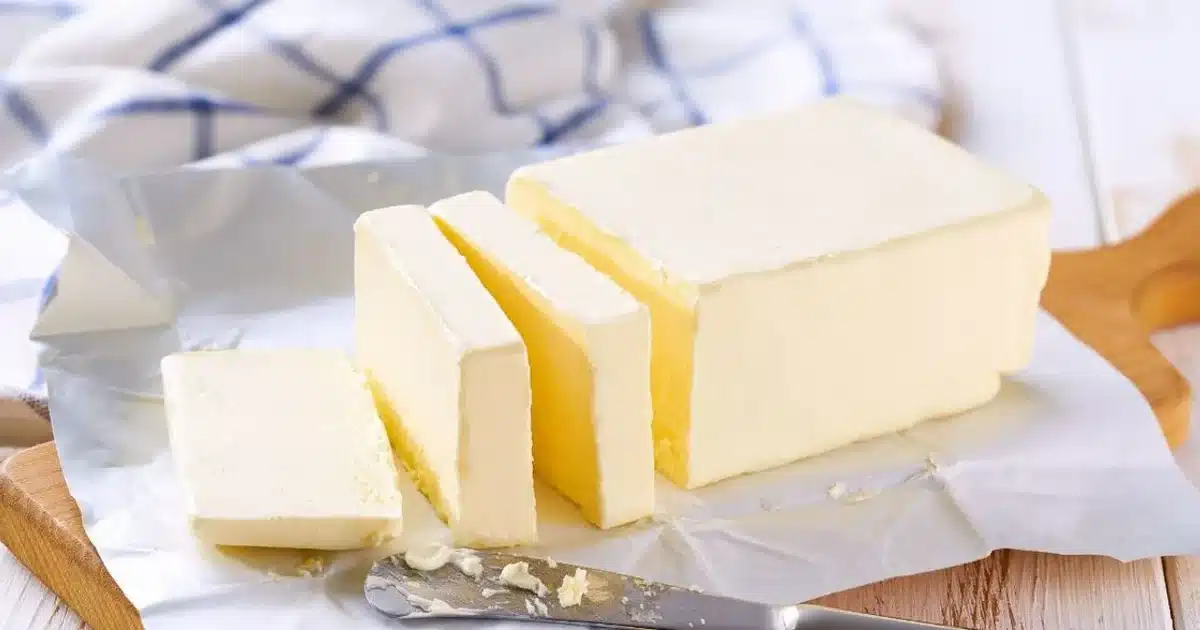
Softening butter in seconds without a microwave is possible with just one glass and hot water. This ultra-fast technique delivers perfectly soft, workable butter, known as beurre pommade, in under a minute, without any risk of melting. And it works on crystallized honey and white chocolate too.
Every baker has been there: a recipe calls for soft butter, but the block sitting in the fridge is rock solid. The temptation to zap it in the microwave is real, but the result is almost always the same. One second too long and you end up with a puddle instead of a spreadable, creamy texture. There is a smarter way, and it requires nothing more than a glass and very hot water.
The hot glass method works in under a minute
The principle is elegantly simple. Heat transfers from the glass to the butter through direct contact, gently warming the surface without exposing it to the aggressive, uneven heat of a microwave. The butter softens from the outside in, maintaining its structure rather than collapsing into liquid.
Step-by-step: how to soften butter with a glass
The process takes only a few seconds of prep and produces results in under a minute:
- Fill a glass with very hot water
- Leave it for a few seconds so the glass absorbs the heat fully
- Empty the water out
- Immediately flip the warm glass upside down over the piece of butter
- Wait for the butter to soften beneath it
That's it. One glass, one ingredient (hot water), and no special equipment. The trapped warmth inside the glass creates a gentle heat dome that brings cold butter to the ideal pommade consistency without crossing into melted territory.
Why the microwave fails at softening butter
The microwave heats unevenly and quickly, which is fine for reheating leftovers but disastrous for butter. The fat melts from the inside out, often leaving you with a partially liquid, partially solid mess that ruins the texture of cookie dough or cake batter. Beurre pommade, the soft, smooth consistency required for most baking recipes, demands controlled, gradual warmth, not a blast of radiation.
The hot glass method delivers exactly that. The butter stays fully intact as a solid, just soft enough to cream with sugar, blend into a dough, or spread effortlessly on toast.
This technique works for both small portions meant for spreading and larger blocks needed for a full batch of cookies or a cake. Adjust the glass size to the amount of butter you need to soften.
Beurre pommade is the secret behind better baked goods
Professional bakers are obsessive about butter temperature, and for good reason. Beurre pommade, butter that holds its shape but yields easily under a spatula, is the foundation of properly emulsified batters and tender crumbs. When butter is too cold, it doesn't incorporate air during creaming. When it's melted, it makes doughs greasy and dense.
For giant cookies with melting centers, sablés, muffins, or a classic banana bread, the texture of the final product depends directly on the state of the butter going into the mix. Getting it right doesn't require planning ahead by an hour anymore. It takes under sixty seconds with this glass trick.
to go from fridge-cold to perfectly soft beurre pommade
Concrètement, this means you can pull butter straight from the refrigerator, apply the glass method, and have it ready for your batter before your oven has even finished preheating. For anyone who bakes on impulse rather than with meticulous advance planning, this changes the workflow entirely.
The same trick softens crystallized honey and white chocolate
The hot glass method isn't limited to butter. Two other common kitchen ingredients respond just as well to this gentle indirect heat technique.
Reviving crystallized honey
Crystallized honey is one of the most misunderstood phenomena in the kitchen. It hasn't gone bad. It has simply undergone a natural solidification process, and it can be brought back to a liquid, pourable state with the same warm glass approach. The gentle heat dissolves the sugar crystals without damaging the honey's natural enzymes or flavor compounds, which high-temperature methods can degrade. Once liquefied, it's ready for biscuits, pancakes, or muffins. For a recipe like amlou, the Moroccan spread made with almonds, argan oil and honey, having fluid honey on hand makes a real difference in the final texture.
Making white chocolate malleable
White chocolate is notoriously temperamental. It seizes easily when overheated and becomes grainy or separated. The warm glass technique brings it to a workable, malleable state without the risk of scorching that comes with a double boiler or a microwave. For decorative work or incorporating white chocolate into a batter, this level of gentle warming is exactly what's needed.
Do not use boiling water if you want to avoid any risk of cracking a thin glass. Very hot tap water or water just off the boil and rested for 30 seconds is sufficient to transfer enough heat.
A kitchen hack that replaces both microwave and bain-marie
What makes this technique genuinely useful is how it positions itself between two standard methods that both have real drawbacks. The microwave is too fast and too unpredictable for delicate fats. The bain-marie (double boiler) works well but requires a pot, a bowl, monitoring, and cleanup. The hot glass method needs none of that. It's a single-step, single-utensil process that produces controlled results consistently.
For home cooks who want to spend less time managing equipment and more time actually cooking, this kind of efficiency matters. Whether you're preparing a batch of chocolate and walnut brownies on a weeknight or getting sablés ready for a last-minute gathering, having a reliable way to soften butter on demand, without planning, without a microwave mishap, is a practical upgrade to any kitchen routine. And the fact that the same glass trick extends to honey and white chocolate makes it one of those rare techniques with real versatility baked in.