
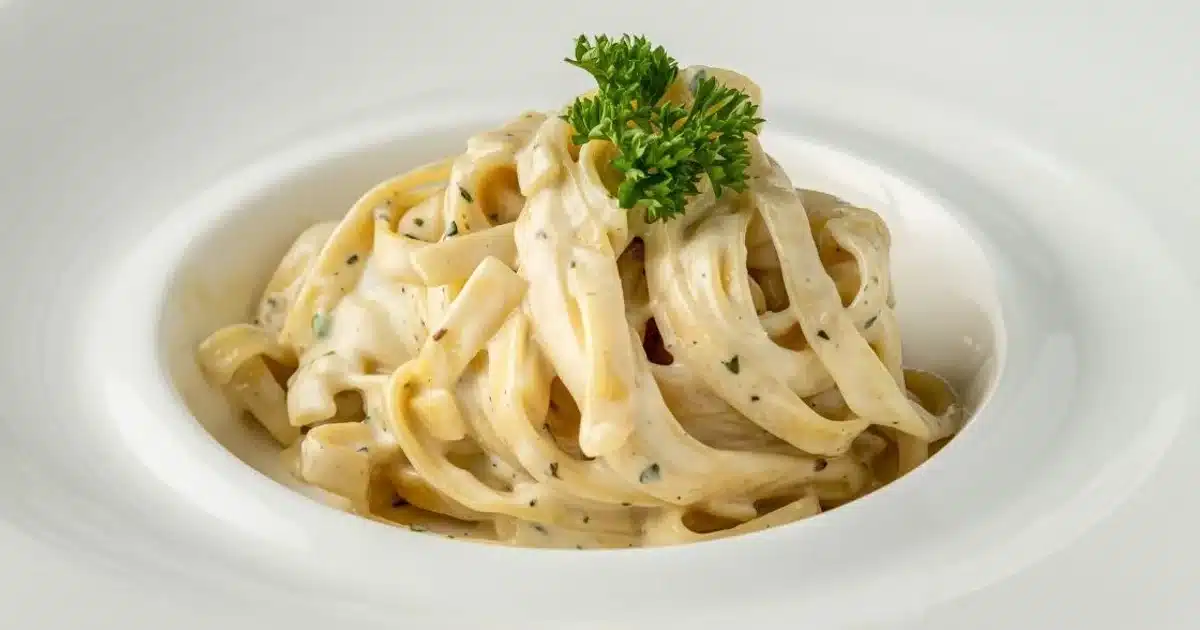
Alfredo pasta is one of the most iconic Italian-American dishes ever made, but the classic cream-based sauce has a surprisingly simple and delicious rival. Swap the heavy cream for fresh corn, and you get a silky, lighter sauce that might just become your new go-to weeknight dinner.
The story of fettuccine Alfredo begins in early 20th-century Rome, where Alfredo di Lelio created a rich, buttery pasta dish that would eventually conquer the world. Actors Douglas Fairbanks and Mary Pickford discovered it during a trip to Italy and brought the recipe back across the Atlantic, cementing its place in American food culture. Decades later, the dish evolved with the addition of heavy cream, becoming the richer, denser version most people know today. But what if the key to a better Alfredo wasn't adding more dairy, but replacing it altogether?
Fresh corn changes everything in this Alfredo pasta recipe
The idea, shared by LifeHacker, is elegantly simple: instead of using heavy cream to build the sauce, you use fresh corn. Specifically, the natural juice released when corn kernels are crushed. That liquid, combined with melted butter, pasta cooking water, and grated Parmesan or Romano cheese, creates a sauce described as "soft and light" — without a single drop of cream in sight.
Why corn works as a cream substitute
When you crush fresh corn kernels with a potato masher, a blender, or an immersion blender until they're "just chopped," they release a starchy, sweet juice. That juice behaves similarly to cream in terms of texture: it emulsifies with the fat from the butter and the proteins in the cheese, producing a coating that clings to every strand of pasta. The result is a genuinely silky mouthfeel, but without the heaviness that cream brings. The pasta stays rich but feels noticeably lighter on the palate.
The role of pasta cooking water
Pasta cooking water is the other unsung hero here. Starchy and slightly salted, it helps loosen the sauce and bind everything together. The key is to add it gradually — a small splash at a time — because too much will thin the sauce rather than enrich it. This technique is actually borrowed from traditional Italian pasta-making, where cream was never part of the equation to begin with.
Always save a cup of pasta cooking water before draining. It’s the secret behind smooth, restaurant-style pasta sauces — whether you’re making Alfredo, cacio e pepe, or a simple garlic and olive oil dish.
The full recipe for corn Alfredo pasta (2 servings)
This recipe makes 2 bowls and comes together in roughly the same time as a classic Alfredo. Here's what you need and how to do it.
Ingredients:
- 115 g pasta
- 2 small fresh corn cobs
- 30 g butter
- 1 garlic clove, peeled and halved
- 30 g grated Romano or Parmesan cheese
- 1/4 to 1/2 teaspoon of salt
- Freshly ground black pepper to taste
Step-by-step method
Start by bringing a large pot of salted water to a boil, then add the pasta. While the pasta cooks, crush the corn kernels using a potato masher, blender, or immersion blender until they're just roughly chopped — you want texture, not a smooth purée.
Melt the butter in a large skillet over medium heat. Add the halved garlic clove and let it infuse for about one minute, then add the crushed corn kernels. Stir and cook for another minute. Remove the garlic from the pan.
When the pasta is ready, turn off the heat under the skillet. Add the grated cheese, then toss in the drained pasta. Add a small splash of pasta cooking water — just enough to loosen the sauce without making it watery. Toss everything together until the sauce coats the pasta evenly, divide into two bowls, crack some black pepper over the top, and add extra cheese if you like.
fresh corn cobs are all it takes to replace heavy cream in this Alfredo sauce
What this version keeps (and what it leaves behind)
The classic Alfredo sauce as originally conceived by Alfredo di Lelio was never actually about cream. His version relied on butter, pasta water, and Parmesan — a combination that was already complete without dairy. The cream came later, mostly as an American adaptation. This corn-based version is, in a way, closer to the spirit of the original: simple ingredients, no shortcuts, and a sauce that works because of technique rather than fat content.
What it leaves behind is the richness that can make a cream Alfredo feel heavy. The traditional recipe also calls for nutmeg, chili, and parsley as finishing touches. Those additions still work beautifully here, and there's no reason not to use them. But the base of the sauce is genuinely different — sweeter, lighter, and with a subtle vegetal note from the corn that makes the whole dish feel more seasonal and fresh.
If you enjoy experimenting with lighter pasta dishes, this approach pairs well with other quick, satisfying recipes. A sautéed chicken rice bowl with winter vegetables follows the same logic of building flavor without relying on heavy sauces. And if pasta is a regular on your dinner table, the range of ideas in these family-friendly pasta gratin recipes shows just how versatile the format can be.
Fresh corn releases a natural juice when crushed that mimics the texture of cream in an Alfredo sauce. Combined with butter, pasta water, and Parmesan, it creates a silky, lighter coating that transforms the dish without sacrificing satisfaction.
The swap works best with fresh corn — the kind still on the cob, in season. Frozen or canned corn won't release the same amount of juice, and the texture of the sauce may suffer as a result. For a weeknight dinner that feels a little unexpected without requiring any extra effort, this corn Alfredo is the kind of recipe worth keeping. It takes a beloved classic, strips it back to what actually matters, and lets a single seasonal ingredient do the rest of the work.