France counts more than 1,200 cheese varieties, earning its reputation as the world's undisputed cheese capital. But how much do you actually know about this extraordinary dairy heritage? Only 10% of people can answer the trickiest questions about French and international cheeses — so where do you stand?
Think you know your brie from your scamorza? Your Saint-Nectaire from a generic supermarket block? The world of cheese is far deeper than most food lovers realize, and testing your knowledge is the best way to find out just how far your expertise goes.
France holds the title of cheese country for good reason
No other nation on earth has built such an intimate, almost obsessive relationship with cheese. With more than 1,200 references documented across the country, French cheese culture is not simply a culinary tradition — it is a living encyclopedia of terroir, technique, and regional identity. Each variety carries the fingerprint of its landscape, its climate, and the hands that made it.
The staggering diversity of French cheese varieties
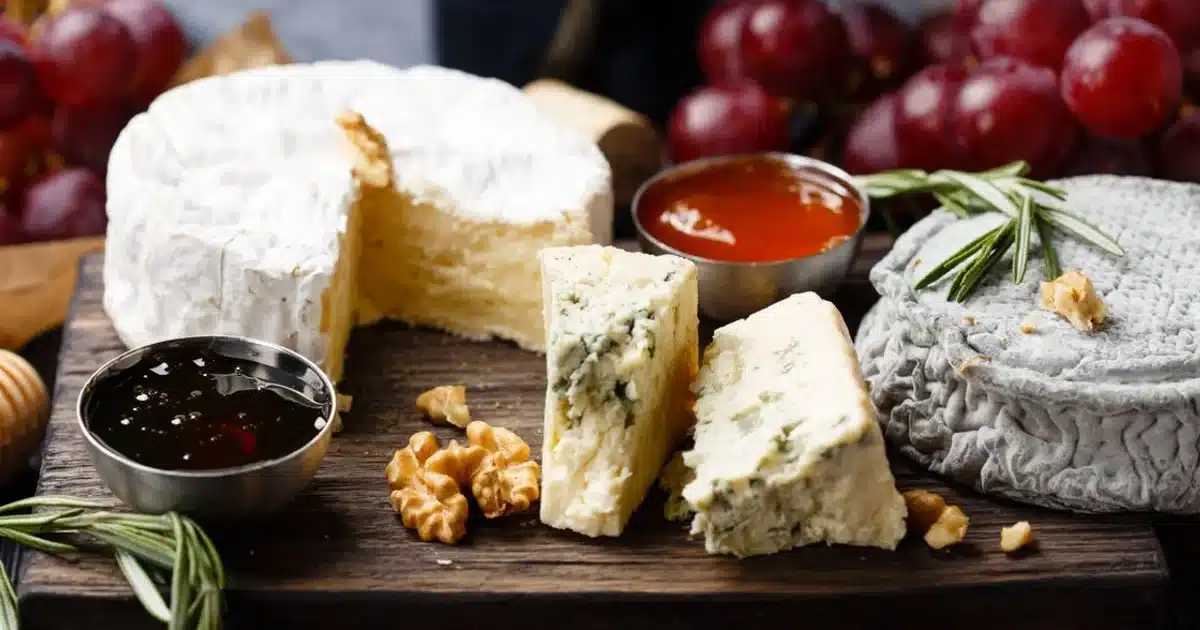
The sheer range is hard to wrap your head around. Soft-ripened rounds like brie, washed-rind wheels with their pungent interiors, firm mountain cheeses aged in cool cellars, fresh chèvres that taste of spring grass — every category demands its own set of knowledge. And that's before you venture beyond French borders into Italian territory, where a smoked scamorza demands a completely different palate and vocabulary.
documented cheese varieties in France alone
Why so few people pass a real cheese quiz
The 10% figure is striking but not surprising. Most people eat cheese regularly without ever learning where it comes from, how it's made, or what distinguishes one variety from another. A quiz on cheese isn't just a game — it's a diagnostic. It reveals whether your relationship with dairy goes beyond habit and into genuine curiosity. The questions that trip people up most often involve production methods, geographic origins, and the subtle differences between cheeses that look almost identical on a plate.
What a cheese quiz actually tests
A well-crafted cheese quiz covers more ground than simple name recognition. It probes your understanding of aging processes, milk types (cow, goat, sheep, buffalo), protected designation of origin rules, and even the cultural contexts in which certain cheeses are traditionally served.
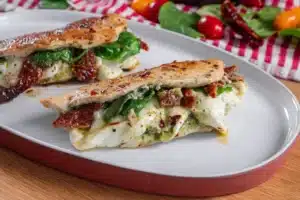
Scamorza is a traditional Italian smoked cheese made from stretched curd, often confused with mozzarella at first glance — but with a firmer texture and a distinctly smoky, slightly sweet flavor profile.
Take scamorza, for instance. This Italian smoked cheese is the kind of detail that separates a casual cheese lover from someone who genuinely explores the dairy world. Or consider Karask, a traditional barley flour bread from Estonia that pairs beautifully with aged cheeses — knowing its origins and its place on a cheese board puts you firmly in expert territory.
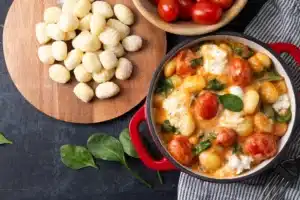
Concrètement, the questions range from accessible (naming a classic French soft cheese) to genuinely difficult (identifying the region of origin of a lesser-known mountain variety, or explaining why certain rinds are edible). If you're the kind of person who obsesses over finding the right cheese potato croquettes recipe or who reads labels at the fromagerie, you're already ahead of most.
The personal side of cheese expertise
Lucile Vivat, the food journalist behind this quiz, brings a personal dimension to the exercise. If she were a cheese, she'd be a Saint-Nectaire — a semi-soft Auvergne cheese with a hazelnut-scented rind, made from the milk of Salers cows grazing on volcanic pastures. It's a choice that says something about taste: understated, deeply rooted in French terroir, with more complexity than its modest appearance suggests.
Her recipe obsession is la Truffade, the Auvergne potato and Cantal dish that is essentially cheese and starch elevated to something transcendent. Her go-to spice is smoked paprika, her favorite vegetable a summer tomato grown in open ground. These aren't random details — they sketch the profile of someone whose food knowledge is grounded in real ingredients and honest cooking, the same sensibility that makes a good cheese quiz worth taking.
And if you enjoy that kind of honest, ingredient-led cooking, you'll find the same spirit in a well-made comforting dinner dish or a balanced stir-fry built in under 20 minutes. Good food knowledge connects across categories.
Beyond the quiz: cheese culture worth knowing
Cheese expertise isn't just trivia. It changes how you shop, how you cook, and how you eat. Knowing that a brie from a specific region carries a different flavor profile than a generic supermarket version means you'll make better choices at the counter. Understanding the bacterial cultures at work in a washed-rind cheese helps you appreciate why storage matters — and why food safety alerts around certain dairy products, including brie contamination incidents flagged at major French retailers, are taken seriously.
Bacterial contamination in soft cheeses (including listeria) is a recurring concern. Always check recall notices from retailers and store soft cheeses at the correct temperature, particularly for vulnerable consumers.
Building real cheese knowledge over time
The gap between casual cheese eater and genuine connoisseur closes with practice and attention. Start by buying one unfamiliar variety per week. Ask your cheesemonger where it comes from and how it was made. Taste it at different stages of ripeness. Pair it with something unexpected — a smoked cheese alongside a quick savory snack, or a strong blue alongside something sweet.
French cheese traditions as a living heritage
France's 1,200-plus varieties didn't emerge from nowhere. They represent centuries of local knowledge, seasonal rhythms, and agricultural practice. Many are protected by AOC (Appellation d'Origine Contrôlée) or AOP (Appellation d'Origine Protégée) designations that legally tie the cheese to its place of origin and production method. Learning these designations is one of the fastest ways to upgrade your cheese vocabulary — and your score on any serious cheese quiz.
Whether you sail through with perfect marks or discover you've been confusing two classic varieties for years, the point is the same: French cheese culture rewards curiosity. And there's no better starting point than finding out, honestly, what you already know.