Non-stick pans don't last forever. When the coating starts to wear down, your cookware can affect both cooking performance and your health. Knowing when to replace a non-stick pan — and how to make it last longer — is something every home cook should understand.
Most people hold onto their non-stick pans far too long. The coating that makes cooking and cleaning so effortless is also the most vulnerable part of the pan, and it degrades steadily with every use. The real question isn't whether your pan will wear out, but whether you'll recognize the signs before it becomes a problem.
Four signs your non-stick pan has reached the end of its life
The good news is that a failing non-stick pan usually makes itself known. You don't need any special tools to assess the situation — a careful look and a few minutes in the kitchen are enough.
Visible wear and uneven heating
The first and most obvious sign is visible deterioration of the coating. Scratches, peeling patches, discoloration, or areas where the surface looks dull and rough are all indicators that the non-stick surface is breaking down. This kind of wear becomes visible to the naked eye before anything else goes wrong, which makes it the easiest sign to catch early.
Uneven heating is another red flag that's easy to overlook. When a pan develops hot spots — areas that cook faster than others — it often means the base has been compromised. This typically happens alongside another problem: deformation. A pan that no longer sits flat on the burner, or that wobbles when you press the center, has been warped, usually by repeated exposure to extreme temperature changes. A warped pan heats unevenly almost by definition, and no amount of careful cooking will compensate for that.
Food that sticks despite a thorough clean
When food starts sticking to your non-stick pan, the instinct is to blame the last meal you cooked. But before concluding the pan is finished, try a deep clean first. Residue buildup, particularly from cooking sprays, can create a sticky film that mimics a worn coating. If a thorough cleaning restores the surface, the pan may still have some life left.
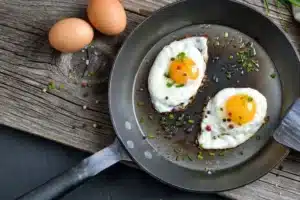
But if food continues to stick even after that, the coating is genuinely degraded. This is especially telling if the sticking is widespread rather than limited to one spot. At that point, the non-stick properties that made the pan worth using in the first place are gone. If you've ever been frustrated by a fried egg that clings to the pan, a worn coating is often the culprit.
A visibly peeling or flaking non-stick coating poses potential health and environmental risks. Don’t wait for performance to deteriorate completely — if you can see the coating coming off, replace the pan.
Five habits that accelerate non-stick coating degradation
Understanding why a pan wears out faster than it should is just as valuable as knowing when to replace it. Shiza Shahid, founder of cookware brand Our Place, has spoken to Real Simple about the importance of proper care for non-stick surfaces. Several everyday habits, often considered harmless, are actually responsible for cutting a pan's lifespan significantly short.
Heat and utensils: the two biggest offenders
High-heat cooking is one of the fastest ways to destroy a non-stick coating. These pans are designed for low to medium heat, and regularly pushing them beyond that threshold causes the coating to break down at a molecular level, long before any visible signs appear. The damage is cumulative and irreversible.
Metal utensils are equally destructive. Even a single scrape from a metal spatula or spoon can gouge the surface and create microscopic entry points for further damage. Switching to wooden or silicone utensils costs almost nothing but makes a measurable difference in how long the coating holds up. This matters especially when you're cooking everyday recipes — whether you're browning a tenderloin for a quick weeknight dinner or sautéing vegetables for a lighter meal.
Washing and cooking sprays: the less obvious culprits
The dishwasher is another enemy of non-stick cookware. The combination of harsh detergents, prolonged soaking, and high-temperature drying cycles attacks the coating aggressively. Hand washing with mild soap and lukewarm water is the correct approach — and that includes avoiding very hot water, which can cause the same kind of thermal stress as high-heat cooking.
Cooking aerosol sprays deserve special mention. They seem like a convenient alternative to butter or oil, but they leave a residue that builds up with each use and is notoriously difficult to remove. Over time, this residue bonds to the surface and accelerates degradation. Using a small amount of regular oil applied with a brush or paper towel is a far better option.
- Hand washing with mild soap and lukewarm water
- Using wooden or silicone utensils
- Cooking on low to medium heat
- Applying oil with a brush instead of aerosol sprays
- Washing in the dishwasher
- Using metal utensils
- Cooking at high temperatures
- Using cooking aerosol sprays
- Rinsing with very hot water
Choosing a replacement: toxin-free ceramic coatings matter
When the time comes to buy a new pan, the type of non-stick coating matters more than most people realize. Conventional non-stick coatings have long been associated with concerns about toxins, particularly when the surface is damaged or overheated. These substances can be harmful to both human health and the environment.
The recommendation from specialists like Shiza Shahid points clearly toward brands that use toxin-free ceramic non-stick coatings. Ceramic-coated pans avoid the chemical compounds found in older non-stick technologies, making them a safer choice for everyday cooking. They still require the same careful maintenance — no metal utensils, no dishwasher, no extreme heat — but they offer greater peace of mind, particularly for households that cook frequently or prepare food for children.
When shopping for a replacement, looking for brands that explicitly market their coatings as free from harmful substances is a practical starting point. The cookware market has expanded considerably in this area, and durable, toxin-free options are now widely available at various price points. Whether you're preparing light, balanced dinners or baking a quick banana bread, the right pan makes a genuine difference in both safety and results. Replacing a worn pan isn't an expense — it's an investment in cooking that actually works.